
Leak repair
We find and repair water leaks in pipes, taps, cisterns and wet areas, keeping any building work to a minimum.
Plumber in Murcia for leaks, water heaters, pipework and heating. Fast repairs and new installations, with clear quotes and 24-hour emergencies.
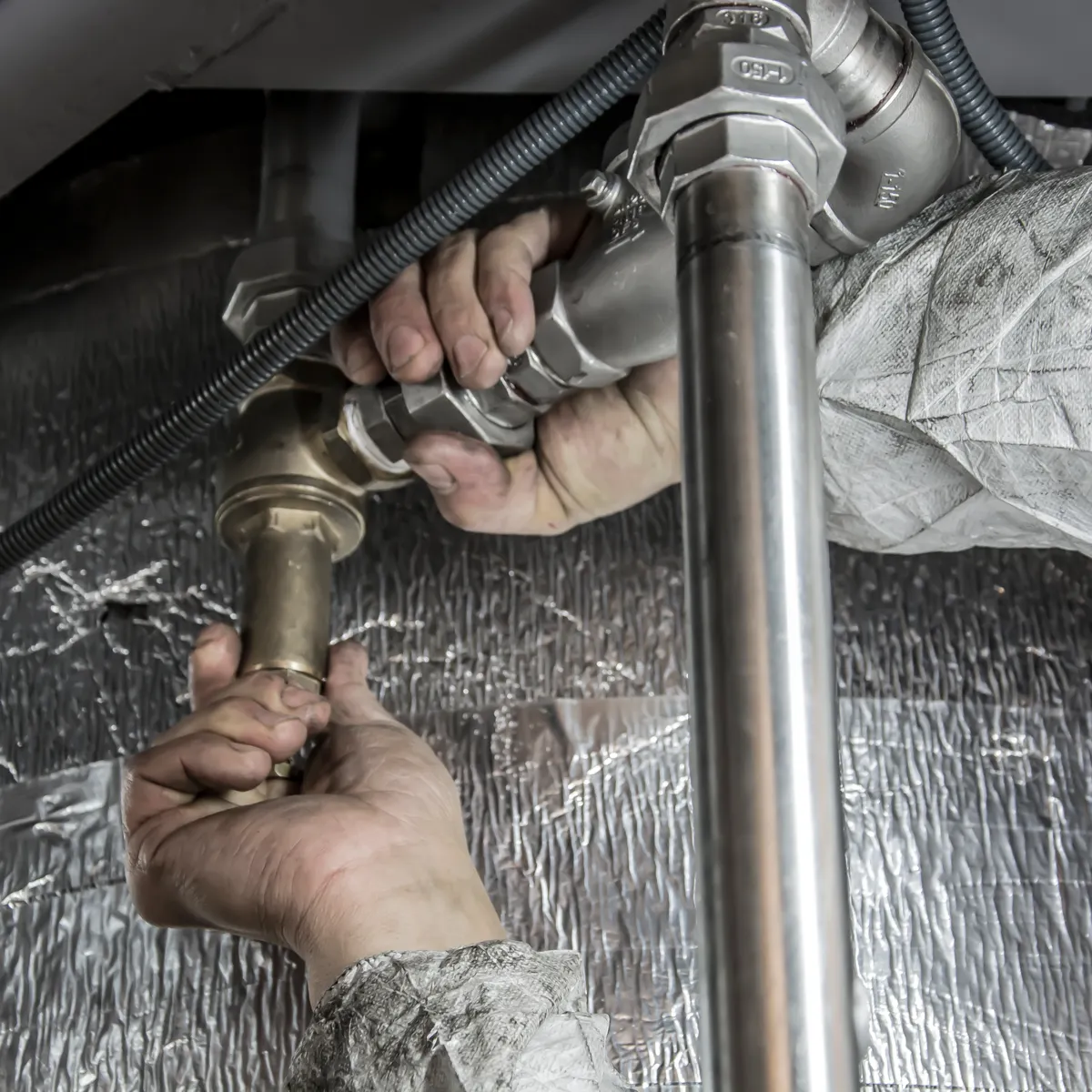
As plumbers in Murcia we handle everything from the leak that appears on a Sunday night to a full re-plumb of a home. We work for private homes, residents' associations and commercial premises across the city, its pedanías (outlying districts) and the surrounding metropolitan towns.
We locate the problem, explain what needs doing in plain language — English included — and give you a fixed price before we start. No surprise call-out charges or padded materials on the invoice: the quote comes first, and the written guarantee comes after.
This page gathers what we usually end up explaining in person: the faults we see most in Murcia homes — with hard water as the undisputed villain — how to choose a water heater or pipework without regrets, what to do in an emergency while we're on the way, honest guide prices and a short glossary of the Spanish plumbing terms you'll hear. And if your problem is a blockage, our drain unblocking service has a dedicated page with the full detail.
We find and repair water leaks in pipes, taps, cisterns and wet areas, keeping any building work to a minimum.
Hidden-leak location with specialist equipment so we pinpoint the exact spot instead of opening up walls unnecessarily.
Installation, replacement and repair of gas water heaters, electric cylinders and boilers.
Renewal of water pipes, waste pipes and downpipes with modern, long-lasting materials.
Fitting and maintenance of radiators and home heating installations.
Bursts, floods and breakdowns that can't wait — we get to you as soon as possible.
No two faults are identical, but after working every day in city-centre flats, village houses and villas out in the huerta — Murcia's irrigated market-garden belt — five problems come up again and again. Knowing them helps you react in time, and often to head the fault off before it happens.
Murcia's tap water is among the hardest in Spain, and your hot-water equipment pays the bill. Scale crusts over the element of the termo (the electric storage heater most Spanish homes use), which draws more and more power until it burns through or trips the electrics; in gas heaters and boilers it clogs the heat exchanger and chokes the hot-water flow. Lukewarm water, or a unit noisier than it used to be, is almost always scale. An annual service — drain-down, element clean, magnesium anode check — adds years to the equipment for very little money.
A large share of Murcia's buildings put up before 1990 still run on their original galvanised iron plumbing. Iron corrodes from the inside: the first water of the morning runs discoloured, pressure drops as the pipe gradually narrows, and sooner or later pinhole leaks appear. Patching section by section ends up expensive; once an installation has given two or three warnings, a complete renewal in modern materials is almost always the cheaper option over the medium term — and the only one that stops the drip-feed of repairs.
Many leaks never show themselves: a buried pipe weeping inside a wall, a run under the patio, a toilet losing water silently into the drain. The first sign is usually a water bill higher than normal, or the meter turning with every tap in the house closed. With detection equipment we pinpoint the exact spot instead of opening walls on guesswork: we only break through where necessary, the repair stays contained from the start, and you know what will be done — and what it will cost — before the first blow lands.
Low pressure has very different causes, and it pays to diagnose before spending: iron pipes narrowed by scale, a badly adjusted pressure reducer, a llave de paso (stopcock) left half open or, in top-floor flats, mains that simply don't arrive with enough force. The fix ranges from a five-minute adjustment to a properly sized pressure pump, via renewing the worst-affected pipe runs. We tell you first what's actually happening in your installation, and then what it costs to fix — options ordered from cheapest to dearest.
In huerta houses and villas with gardens, a good share of leaks aren't in the house at all: buried irrigation pipes, solenoid valves stuck open, tanks and supply lines with many years on them. They're treacherous leaks, because the water soaks away into the ground without leaving a stain to give it away. If the meter keeps running with the house closed up, suspect the irrigation. We check the whole outdoor installation and fit independent shut-off valves separating garden from home, so a problem outside never leaves you without water inside.
When the termo finally gives up or the pipework needs renewing, the choice is huge and not everything suits Murcia's water. These are the decisions we're asked about most, explained without jargon — and without any intention of selling you something you don't need.
It depends on your usage and your installation. The electric termo is cheaper to buy and fit and needs no flue, but it heats a limited tank of water and suffers more from limescale. A gas calentador delivers unlimited hot water on demand and pays off for families showering back-to-back, though it requires periodic inspections of the gas installation and a fully compliant fit. Rule of thumb: one or two people, termo; a full household or two bathrooms in use, gas. Before you decide, we put both options on the table with real numbers.
Copper was the standard for decades and is still a fine material, but nearly every renewal today is done in multilayer or PEX: plastic-based pipes that don't corrode, barely collect scale, install faster — which cuts the labour bill — and cope well with pressure and temperature. In Murcia, where hard water punishes metal, they're the sensible choice for renewing a home. Copper keeps its place on exposed runs and in spot repairs to existing installations, where joining like with like gives the better result.
A resin water softener — the descalcificador — is the thorough solution: it treats all the home's water and protects termo, boiler, taps and appliances at once. It needs space, a nearby drain and periodic salt refills, and in high-consumption households it usually pays for itself within a few years. If you can't fit one, there are halfway options: anti-scale filters on the termo's inlet, or polyphosphate dosers — cheaper, though less complete. And for drinking and cooking, an under-sink reverse-osmosis unit transforms the tap water.
Our general rule: if the repair costs more than half the price of new equipment and the unit is past eight or ten years old, replacement almost always wins — the new unit runs cheaper and arrives with a full guarantee. On the other hand, a young termo with a scaled-up element, or a dripping tap, gets repaired without a second thought. We always put both options in writing with prices, and the decision is yours: we earn nothing extra by selling you a unit you don't need, and we work accordingly.
With taps, the difference between cheap and reasonable shows up over the years: spare cartridges for the established brands are still available a decade later; for no-name taps they aren't, and the whole tap ends up in the bin. No need to go top of the range — the mid-tier of the known brands is the sweet spot for quality and price. With toilets, pay more attention to the flush mechanism than to the ceramic: it's the part that fails, and the part that genuinely rewards quality.
The first minutes of a leak decide whether you get a scare or an insurance claim. Here's what we recommend doing — and not doing — while our technician is on the way. None of it needs tools or experience: it's enough to know the steps in advance.
Every home has a main stopcock — the llave de paso. Look next to the water meter, under the kitchen sink or in the wet room nearest the front door. Close it, then open a low tap to release the pressure; the residual dribble is normal and stops within minutes. If the valve is seized — common when it hasn't been touched for years — don't force it with tools: it can snap and turn the problem into a bigger one. The best advice on this page: find yours today, with no fault in sight, and turn it a couple of times a year.
If the leak has soaked sockets or extension leads, or water is dripping near the electrical board, switch off the main breaker before stepping into the wet area. Water and electricity are a terrible mix, and a tripping RCD is warning you about a real earth leak. Move what you can out of the water, dry the essentials and don't restore power until a professional has checked the affected circuits.
A photo of the leak, the damp patch or the termo with its rating label lets us leave base with the right spare part and give you a price range before we arrive. It's the difference between fixing the fault in one visit or two. If you can, add two key facts: whether you've already closed the stopcock, and how long the problem has been showing. A short video of the water meter spinning also helps the diagnosis a lot.
Don't smear 'miracle' putty or tape over a pressurised pipe: it holds for a few hours, hides the exact leak point and complicates the proper repair. And don't pour acid or aggressive chemical uncloggers down a blockage — they damage the pipes, don't remove the underlying cause and turn the eventual drain unblocking into a hazardous job for whoever does it. Water mopped up, stopcock closed and a phone call beat any quick fix.
Many leaks — and the damage they cause — are covered by Spanish home insurance, but every policy is different: some cover the repair of the leak itself, others only the resulting damage. Photograph everything before touching anything, keep the repair invoice and report the claim promptly. We provide a detailed invoice and, if you need it for the insurer, a written note of what we found — just ask when we close the job.
Tell us the fault; a photo helps us assess it.
We find the source and define the right solution.
A clear price before we touch anything, no obligation.
We fix it, leave it clean and stand behind the work.
If the problem is a blockage we clear it with high-pressure equipment. More on our drain-unblocking page.
Replacement of toilets, basins, shower trays and taps with a professional finish.
When plumbing is part of a larger renovation, we coordinate it with the rest of the work.
Preventive checks for associations and businesses that want to avoid breakdowns.
The price depends on the type of fault, how easy it is to reach and the materials needed. A simple tap repair doesn't cost the same as replacing a buried section of pipe.
That's why we assess each job before starting and give you a fixed quote. For emergencies we tell you the call-out and labour cost before we set off, so you can decide with the information in front of you.
Further down you'll find a table with the guide prices we're asked about most; as a quick reference, labour starts from €30/hour for scheduled work.
These are the starting rates we're asked about most. Every fault is different — access, materials and the state of the installation all move the price — so treat them as an honest reference, not a quote. The real figure is always confirmed in writing before we start. And if you're comparing quotes from several plumbers in Murcia, make sure each one states whether travel and VAT are included: it's the most common source of misleadingly cheap figures.
| Job | Guide price | Detail |
|---|---|---|
| Plumber — labour | from €30/hour | Scheduled work; fixed price for defined jobs |
| Assessment visit and quote | free | Scheduled work, no obligation |
| Visible leak repair (tap, hose, trap) | from €30/hour + materials | Usually solved in a single visit |
| New water point | from €60 | Depending on access and materials |
| Drain unblocking (machine) | from €80 | Sinks, toilets, downpipes and chambers |
| Electric termo replacement | fixed quote | Depends on the unit chosen; labour from €30/hour |
| Hidden leak detection | fixed quote after assessment | Located with specialist equipment, opening up only where needed |
| Full re-plumb of a home | fixed itemised quote | As a guide: water points from €60 each |
| 24-hour emergencies | depends on the fault | Call-out and labour confirmed on WhatsApp before we set off |
Guide 'from' prices, excluding VAT, to give you a realistic idea. Every home is different — confirm the exact figure with a free, no-obligation quote before any work starts.
You don't need to know them — that's our job — but these four points save surprises with installations, building work and invoices, especially if you're new to Spain. Whenever a rule might affect your job, we flag it before quoting, not after.
Spain's RITE regulations (Reglamento de Instalaciones Térmicas en los Edificios) govern heating, domestic hot water and air conditioning. In practice this means boiler and gas water-heater work must be carried out by an authorised company, and certain installations need documented periodic maintenance. Gas appliances are additionally subject to mandatory inspections of the gas installation itself. Before any job we confirm what the rules require in your specific case — and what paperwork you should be handed when it's finished.
The Spanish building code (CTE), in its health-and-sanitation document HS4, sets the minimums for any water-supply installation: materials fit for drinking water, minimum pressures and flow rates at each outlet, backflow protection and accessible shut-off valves. When we renew a home's plumbing we bring it up to these criteria even if the original installation pre-dates the rules — that's what guarantees pressure, flow and sanitary safety end up where they should be.
Swapping a termo or repairing a leak needs no paperwork. But when the plumbing is part of a renovation — a full bathroom refit, relocating the kitchen, replacing communal downpipes — the town hall will generally require a responsible declaration or a works licence depending on scope. The prudent rule: if there's building work involved, ask before starting. We confirm the exact procedure for your case and prepare the documentation whenever we manage the renovation.
Many renovation works on a primary home over two years old can qualify for reduced 10% VAT instead of 21%, subject to the legal conditions — including limits on the materials share of the total cost. It isn't automatic and it doesn't apply to just any repair: always confirm it for your specific case. We apply it correctly in the quote whenever it's due.
Our rates start from €30/hour, though the final price depends on the type of job and the materials required. For specific jobs we give you a fixed quote before we start, with no surprises. Ask us for a free, no-obligation quote.
Installation per water point typically starts from €60 per point, depending on the complexity and accessibility of the job. We confirm the exact price after assessing the work. Quotes are always free.
Yes. We handle emergencies such as leaks, burst pipes and blockages 24 hours a day across Murcia city and its metropolitan area. The fastest way to reach us is on WhatsApp on +34 613 364 465.
Yes — all our quotes are free and with no obligation. Tell us what you need on WhatsApp and we'll get back to you as soon as possible.
We work in Murcia city and towns such as Molina de Segura, Alcantarilla, Santomera, Beniaján, El Palmar, Espinardo and Cabezo de Torres. You'll find response times and guide prices for each town under our service areas. If you're not sure whether we cover your area, just ask.
Yes. We run a dedicated drain unblocking service with machine and high-pressure water for sinks, toilets, downpipes and inspection chambers — including 24-hour emergencies.
Yes. We are registered professional plumbers with public liability insurance and a written guarantee on all our work.
The words you'll hear from any Murcia plumber — and see on Spanish invoices — explained in one line each.
Call now or message us on WhatsApp. Free quote and, if it's urgent, a fast response.